


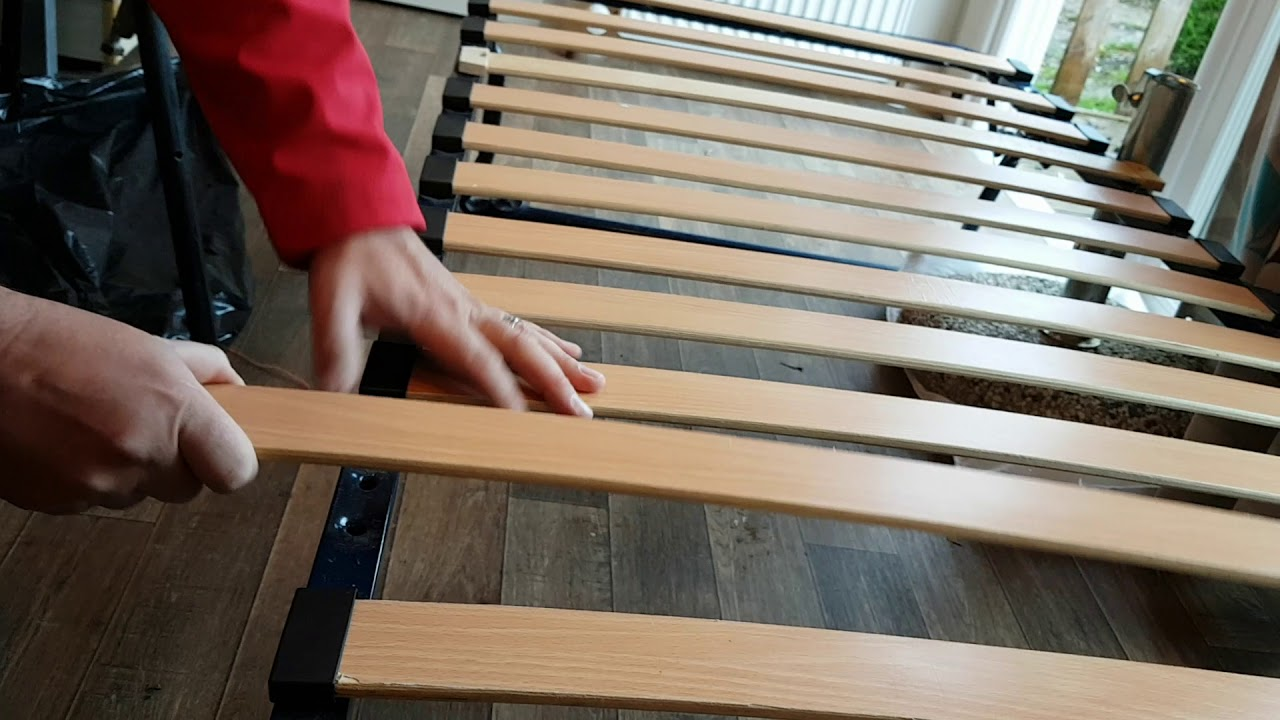
A sagging bed can quietly ruin sleep quality, cause back discomfort, and make even a good mattress feel old and worn out. In many cases, the real issue is not the mattress itself but the bed slats underneath it. Over time, slats can weaken, shift out of position, or lose support strength, leading to dips and instability.
The good news is that you usually do not need to replace your bed frame or buy new slats. Most sagging issues can be fixed using simple reinforcements, repositioning, and low-cost household materials.
This guide explains how to repair sagging bed slats step by step and restore a stable sleeping surface without replacement.
Why Bed Slats Start Sagging Over Time
Bed slats carry your body weight every night, so gradual wear is completely normal. However, several factors can speed up sagging.
Wooden slats often weaken due to long-term pressure. Even if they do not break, they slowly bend in the middle under repeated stress. This creates a curved shape that no longer supports the mattress evenly.
Another common issue is slat movement. Over time, slats can shift slightly from their original position, creating uneven gaps. These gaps allow the mattress to sink between supports.
Humidity also plays a role. In damp environments, wood absorbs moisture, which can make it softer and more flexible. This reduces its load-bearing strength.
In many larger beds, the center area is the weakest point. If there is no proper center beam or support leg, the middle slats carry most of the pressure and begin to sag first.
Uneven weight distribution can also contribute. If one side of the bed is used more frequently or carries more weight, that section tends to weaken faster.
Signs Your Bed Slats Are the Real Problem
Before fixing anything, it is important to confirm that the slats are actually causing the issue and not the mattress.
You may notice a visible dip in the center of the bed even when the mattress is relatively new. The surface may feel uneven, with firmer edges and a softer middle.
Creaking or cracking sounds when you move are another strong indicator. These noises usually come from slats shifting or bending under pressure.
In some cases, slats may fall out of their slots or move out of alignment. You might also notice wider gaps between slats than before.
If you see these signs, the issue is almost certainly related to slat support rather than the mattress itself.
Tools and Materials You May Need for Repairs
Most bed slat repairs can be completed with basic tools and inexpensive materials. You do not need specialized equipment.
Common items include a screwdriver for tightening frames, a measuring tape for checking spacing, and wood screws for securing loose slats. A drill can make the process easier but is optional.
For reinforcement, you may need extra wooden planks, plywood sheets, or a center support beam. Strong adhesive or wood glue can also help stabilize loose sections.
Anti-slip pads or rubber strips are useful for preventing slats from moving. In some cases, brackets or zip ties can be used for extra support.
These materials are affordable and often already available in most homes.
Step-by-Step Methods to Fix Sagging Bed Slats
There are several practical ways to fix sagging bed slats depending on how severe the issue is. In many cases, combining more than one method produces the best results.
Repositioning shifted or loose slats
The simplest issue is slats that have moved out of place. This creates uneven spacing and weak support points.
Start by removing the mattress and inspecting the slats carefully. If any slats are misaligned, place them back into their original position. Make sure spacing is even across the entire frame.
To prevent future movement, you can place small rubber pads under each slat or secure them using brackets or screws depending on your bed frame design.
Reinforcing weak or bending slats
If slats are not broken but have started bending, reinforcement is the best solution.
One effective method is adding support underneath each weak slat. You can place a wooden strip or plank directly under the sagging area. This helps redistribute weight and reduces bending pressure.
Another option is attaching an additional layer of wood on top of the existing slat. This doubles the thickness and significantly increases strength.
Wood glue combined with screws can make the reinforcement more stable and long-lasting.
Adding a center support beam
For larger beds, especially queen or king sizes, a missing or weak center support beam is often the main cause of sagging.
If your bed frame has a center rail, ensure it is properly secured and not loose. If there is no center support, adding one can dramatically improve stability.
A simple wooden beam running lengthwise under the middle of the bed, supported by one or more vertical legs, can prevent sagging completely. This distributes weight evenly across all slats.
Using plywood for full support reinforcement
If multiple slats are weak or uneven, placing a plywood sheet over the slats can create a strong, uniform surface.
Choose a sheet that fits your bed size and place it directly on top of the slats before placing the mattress back. This spreads weight evenly and eliminates gaps between slats.
This method is especially useful for older bed frames where multiple slats are no longer reliable.
Tightening the bed frame structure
Sometimes the issue is not only the slats but also the frame holding them.
Check all screws, bolts, and joints in the bed frame. Tighten any loose connections to reduce movement and noise. A stable frame helps slats stay in position and reduces stress on weak points.
Preventing slat movement
Even after repairs, slats may continue shifting if not secured properly.
To prevent this, you can use rubber strips, anti-slip mats, or even small pieces of fabric under each slat. These materials increase friction and keep slats from sliding out of place.
In some cases, drilling small holes and securing slats with screws can permanently fix movement issues.
When the Problem Is Not Just the Slats
If you have repaired slats and the bed still feels unstable, the issue may be broader.
The mattress itself may be worn out or uneven. In some cases, the bed frame may be warped or structurally weak. Older frames made of low-quality wood or metal can bend over time.
It is also possible that the support system simply does not match the size or weight requirements of the mattress being used.
In such cases, reinforcing slats alone may not fully solve the problem, but it still improves stability significantly.
Preventing Bed Slats From Sagging Again
Once you fix the issue, a few maintenance habits can help prevent it from returning.
Check slat alignment every few months and adjust any that shift out of place. Avoid placing excessive weight in one area of the bed.
Keep the bed in a dry environment to prevent moisture damage. If possible, use a dehumidifier in humid climates.
Tighten bed frame screws periodically to maintain structural stability.
Adding a center support early, even before sagging appears, is one of the best long-term preventive measures.
Frequently Asked Questions
Why does my bed sag in the middle even with a new mattress?
In most cases, the issue is caused by weak or misaligned bed slats rather than the mattress itself. Gaps or bending slats allow the mattress to sink.
Can I fix bed slats without replacing them?
Yes, most sagging slats can be repaired using reinforcement methods like adding support beams, plywood sheets, or tightening the frame.
Is plywood safe to use under a mattress?
Yes, plywood is commonly used to create a flat, supportive surface. Just ensure it is properly sized and placed evenly over the slats.
How long do bed slat repairs last?
With proper reinforcement and maintenance, repairs can last several years without needing replacement.
Do I need a professional to fix sagging slats?
In most cases, no. These repairs can be done at home with basic tools and materials.
Final Thoughts
Sagging bed slats are a common but easily fixable problem. In most situations, the issue comes from minor structural weaknesses, shifting slats, or insufficient center support rather than complete failure of the bed frame.
By repositioning slats, reinforcing weak areas, adding support beams, or using plywood, you can restore stability without replacing anything. Regular maintenance and small adjustments can keep your bed firm and comfortable for years.
A stable bed is not just about comfort but also about proper sleep posture and long-term health. Fixing the slats instead of replacing the entire bed is a practical, cost-effective solution that delivers immediate improvement.