


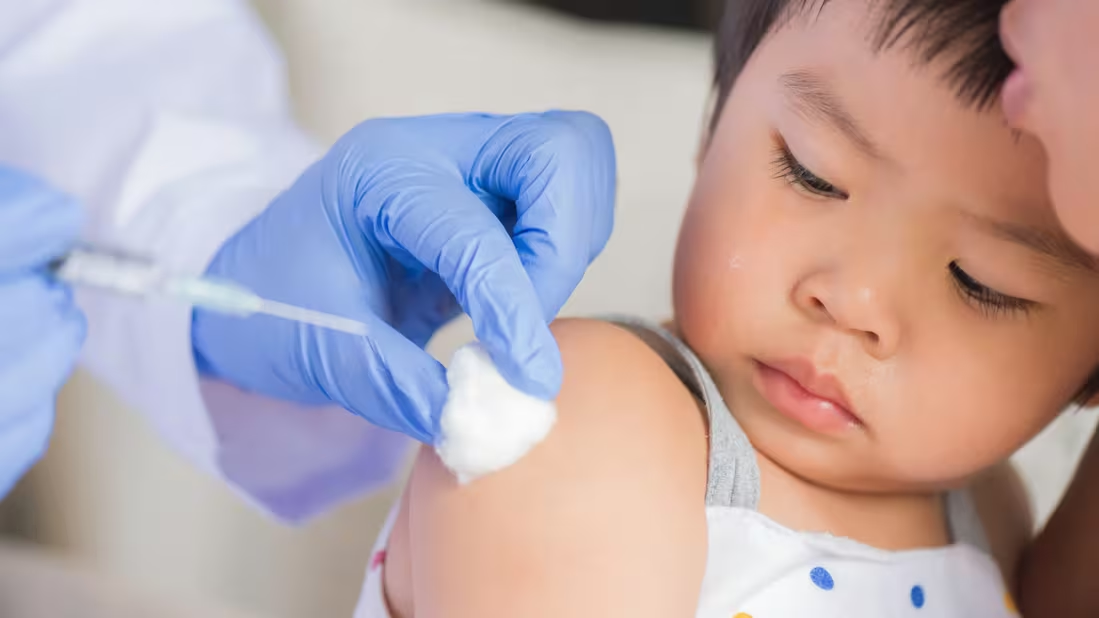
Children grow and change quickly, and every stage of development comes with new health needs. As parents, it is natural to have questions about nutrition, vaccines, growth, sleep, illnesses, emotional well-being, and overall safety. While every child develops at their own pace, understanding the basics of children’s health can help parents make informed decisions and provide the best possible care.
A healthy childhood lays the foundation for a healthy adulthood. Good eating habits, regular medical checkups, age-appropriate vaccinations, quality sleep, physical activity, emotional support, and a safe environment all work together to support healthy development.
Why Children’s Health Matters
Childhood is a period of rapid physical, emotional, cognitive, and social development. Healthy habits formed early often continue into adulthood.
Good children’s healthcare focuses on:
- Preventing illness
- Supporting healthy growth
- Detecting developmental concerns early
- Building strong immune systems
- Encouraging emotional resilience
- Promoting lifelong healthy habits
Parents, caregivers, healthcare providers, and schools all play important roles in supporting children’s health.
Vaccinations: Protecting Children from Serious Diseases
Vaccines are among the safest and most effective ways to protect children from preventable diseases.
Routine childhood vaccinations help prevent illnesses such as:
- Measles
- Mumps
- Rubella
- Polio
- Hepatitis A and B
- Chickenpox
- Diphtheria
- Tetanus
- Pertussis (Whooping Cough)
- Rotavirus
- Pneumococcal disease
- Influenza
- COVID-19 where recommended
Vaccines train the immune system to recognize harmful germs before exposure, reducing the risk of severe illness and outbreaks.
Following the Immunization Schedule
Children receive vaccines at different ages because their immune systems develop over time.
Parents should:
- Keep an updated vaccination record
- Attend all well-child visits
- Discuss missed vaccines with their pediatrician
- Follow recommended booster doses
Delaying vaccines without medical reasons may leave children vulnerable to preventable infections.
Nutrition: Building Healthy Bodies
Balanced nutrition fuels growth, brain development, and immunity.
Children need different nutrients depending on their age, but the basics remain consistent.
Essential Nutrients
A healthy diet should include:
Protein
Supports muscle growth and tissue repair.
Sources include:
- Eggs
- Fish
- Chicken
- Lean meat
- Beans
- Lentils
- Tofu
Calcium
Essential for healthy bones and teeth.
Good sources:
- Milk
- Cheese
- Yogurt
- Fortified plant milk
- Leafy greens
Iron
Supports brain development and healthy blood.
Found in:
- Lean meat
- Spinach
- Beans
- Fortified cereals
Healthy Fats
Necessary for brain development.
Healthy options include:
- Avocados
- Nuts (age appropriate)
- Seeds
- Olive oil
- Fatty fish
Fiber
Promotes healthy digestion.
Include:
- Fruits
- Vegetables
- Whole grains
- Oats
- Beans
Healthy Eating Habits
Rather than focusing only on nutrients, establish healthy eating routines.
Parents should:
- Offer colorful fruits and vegetables daily
- Encourage family meals
- Avoid forcing children to finish every bite
- Limit sugary drinks
- Reduce processed snacks
- Offer water throughout the day
- Introduce new foods patiently
Repeated exposure often helps children accept unfamiliar foods.
Growth Milestones
Every child develops at their own pace, but milestones help parents monitor healthy development.
Infants (0–12 Months)
Typical milestones include:
- Smiling
- Rolling over
- Sitting without support
- Crawling
- Standing
- Saying simple words
- Responding to names
Toddlers (1–3 Years)
Children often begin:
- Walking independently
- Running
- Climbing stairs
- Speaking short sentences
- Following simple instructions
- Playing pretend games
Preschool Children (3–5 Years)
Development usually includes:
- Better coordination
- Counting
- Drawing shapes
- Asking many questions
- Making friends
- Increased independence
School-Age Children
Children continue developing:
- Reading skills
- Problem-solving abilities
- Emotional regulation
- Teamwork
- Confidence
Teenagers
Adolescence involves:
- Puberty
- Emotional changes
- Greater independence
- Identity development
- Social growth
- Increased responsibility
Monitoring Growth
Healthcare providers regularly measure:
- Height
- Weight
- Body Mass Index (BMI)
- Head circumference (infants)
Growth charts help identify patterns over time rather than focusing on single measurements.
Parents should discuss concerns if a child:
- Stops growing
- Loses weight unexpectedly
- Has delayed puberty
- Experiences developmental regression
Common Childhood Illnesses
Most children experience several illnesses while their immune systems mature.
Common Cold
Symptoms include:
- Runny nose
- Sneezing
- Mild fever
- Sore throat
- Cough
Treatment focuses on:
- Rest
- Fluids
- Fever management
- Comfort measures
Antibiotics do not treat viral colds.
Ear Infections
Signs include:
- Ear pain
- Fever
- Irritability
- Difficulty sleeping
Some infections resolve naturally, while others require antibiotics.
Stomach Bugs
Viral gastroenteritis commonly causes:
- Vomiting
- Diarrhea
- Mild fever
Prevent dehydration by encouraging frequent fluids.
Flu
Influenza often causes:
- High fever
- Muscle aches
- Fatigue
- Chills
- Cough
Annual flu vaccination helps reduce severe illness.
Hand, Foot, and Mouth Disease
Common among younger children.
Symptoms include:
- Mouth sores
- Rash on hands
- Rash on feet
- Fever
Most children recover within a week.
When Parents Should Seek Medical Care
Contact a healthcare provider if a child experiences:
- High fever in young infants
- Difficulty breathing
- Persistent vomiting
- Severe dehydration
- Seizures
- Extreme sleepiness
- Rash with fever
- Persistent pain
- Loss of consciousness
Trust your instincts. Parents often recognize when their child seems unusually ill.
Mental Health in Children
Mental health is just as important as physical health.
Children experience emotions differently at different ages.
Healthy emotional development involves:
- Feeling safe
- Expressing emotions
- Building relationships
- Learning coping skills
- Developing confidence
Warning Signs of Mental Health Concerns
Parents should pay attention to:
- Persistent sadness
- Anxiety
- Social withdrawal
- Aggressive behavior
- Changes in eating habits
- Sleep problems
- Declining school performance
- Frequent emotional outbursts
- Loss of interest in favorite activities
Early support often leads to better outcomes.
Supporting Emotional Well-Being
Parents can strengthen mental health by:
- Spending quality time together
- Listening without judgment
- Praising effort rather than perfection
- Encouraging friendships
- Teaching problem-solving skills
- Limiting excessive screen time
- Creating predictable routines
Children thrive when they feel loved, heard, and secure.
Sleep: Essential for Healthy Development
Sleep supports:
- Brain development
- Memory
- Growth
- Immune function
- Emotional regulation
- Learning
Sleep needs vary by age.
Approximate recommendations include:
- Infants: 12–16 hours
- Toddlers: 11–14 hours
- Preschoolers: 10–13 hours
- School-age children: 9–12 hours
- Teenagers: 8–10 hours
Healthy Sleep Habits
Parents can improve sleep by:
- Maintaining consistent bedtimes
- Creating calming bedtime routines
- Limiting caffeine
- Reducing evening screen exposure
- Keeping bedrooms quiet and comfortable
- Encouraging physical activity during the day
Avoid using electronic devices immediately before bedtime, as blue light may interfere with natural sleep cycles.
Physical Activity
Children need daily movement for healthy growth.
Benefits include:
- Strong bones
- Healthy muscles
- Better heart health
- Healthy weight
- Improved mood
- Better concentration
- Stronger immune system
Activities may include:
- Outdoor play
- Cycling
- Swimming
- Dancing
- Sports
- Walking
- Playground activities
Children should spend less time sitting and more time moving whenever possible.
Managing Screen Time
Technology is part of modern childhood, but balance is important.
Parents should:
- Encourage educational content
- Set screen-time limits
- Keep devices out of bedrooms
- Monitor online activity
- Promote face-to-face interaction
- Encourage hobbies away from screens
Family screen-free times during meals encourage conversation and stronger relationships.
Dental Health
Healthy teeth contribute to overall health.
Parents should encourage:
- Brushing twice daily
- Flossing once teeth touch
- Regular dental visits
- Limiting sugary snacks
- Drinking water after meals
Baby teeth matter because they guide permanent teeth into place.
Vision and Hearing
Routine screenings help identify problems before they affect learning.
Watch for signs such as:
- Squinting
- Sitting very close to screens
- Frequent headaches
- Difficulty hearing conversations
- Delayed speech
Early treatment often prevents long-term complications.
Building Strong Immunity
While no food or supplement completely prevents illness, healthy habits strengthen the immune system.
Focus on:
- Balanced nutrition
- Vaccinations
- Regular exercise
- Adequate sleep
- Handwashing
- Fresh air
- Managing stress
Avoid unnecessary antibiotics, which should only be used when prescribed.
Preventing Childhood Injuries
Accidents remain one of the leading causes of childhood injury, but many are preventable.
Important safety measures include:
Car Safety
- Use age-appropriate car seats
- Ensure seat belts fit correctly
- Never leave children unattended in vehicles
Home Safety
Install:
- Smoke detectors
- Carbon monoxide detectors
- Safety gates
- Window guards
- Cabinet locks
Keep medicines and cleaning products locked away.
Water Safety
Never leave young children unattended near:
- Bathtubs
- Pools
- Lakes
- Beaches
Swimming lessons add protection but do not replace supervision.
Bicycle Safety
Children should always wear:
- Properly fitted helmets
- Protective gear when appropriate
Teach road safety rules early.
Fire Safety
Teach children:
- Emergency phone numbers
- Fire escape plans
- Stop, drop, and roll
Practice family emergency drills regularly.
Healthy Hygiene Habits
Good hygiene reduces the spread of infections.
Teach children to:
- Wash hands before eating
- Wash hands after using the bathroom
- Cover coughs and sneezes
- Avoid sharing drinks
- Bathe regularly
- Keep nails clean
These habits become lifelong routines.
Regular Pediatric Checkups
Well-child visits allow healthcare providers to monitor:
- Growth
- Development
- Vaccinations
- Nutrition
- Vision
- Hearing
- Behavior
- Mental health
These visits also provide parents with opportunities to ask questions about concerns before they become bigger problems.
Encouraging Healthy Family Habits
Children learn by watching adults.
Parents can set positive examples by:
- Eating nutritious meals
- Exercising regularly
- Getting enough sleep
- Managing stress calmly
- Avoiding smoking
- Wearing seat belts
- Practicing good hygiene
Healthy family routines often become lifelong habits for children.
Preparing Children for Adolescence
As children grow older, conversations should expand beyond physical health.
Discuss topics like:
- Puberty
- Body image
- Healthy relationships
- Internet safety
- Bullying
- Substance abuse
- Peer pressure
- Emotional health
Open communication encourages children to seek guidance rather than hiding concerns.
Final Thoughts
Raising healthy children involves much more than treating illness. Preventive care, balanced nutrition, timely vaccinations, healthy sleep, emotional support, regular physical activity, and a safe home environment all contribute to a child’s long-term well-being. While every child develops at a unique pace, staying informed and maintaining regular healthcare visits help parents identify concerns early and support healthy growth.
The goal is not perfection but consistency. Small daily habits—sharing nutritious meals, reading together, encouraging active play, practicing good hygiene, and creating a loving, supportive home—can have a lasting impact on a child’s physical and emotional health. By focusing on prevention, communication, and healthy routines, parents can give their children the strongest possible foundation for a happy, healthy future.