


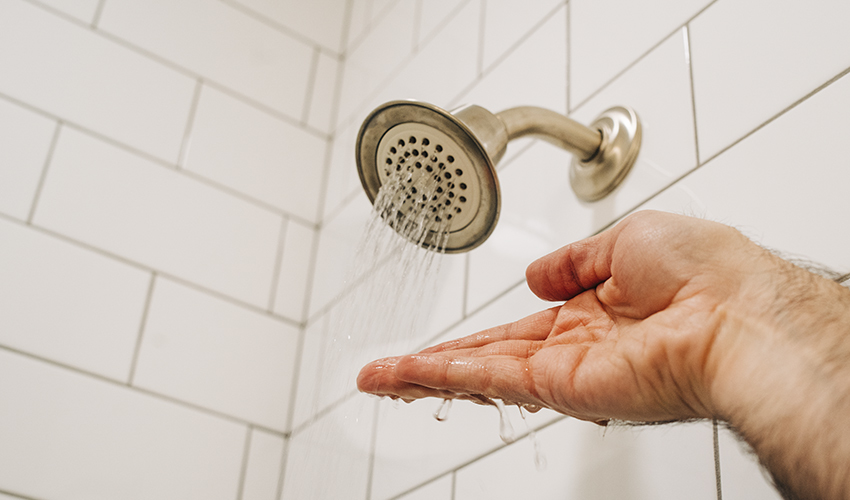
Low water pressure in the shower is a frustrating issue that can make daily routines uncomfortable and time-consuming. Many homeowners immediately assume the problem requires replacing pipes or major plumbing work, but in most cases, that is unnecessary. Shower pressure problems are usually caused by simple issues like mineral buildup, clogged filters, valve restrictions, or minor maintenance needs that can be fixed quickly without touching the plumbing system.
Understanding what is actually causing the pressure drop is the most important step. Once identified correctly, most solutions are inexpensive and easy to carry out at home.
Understanding How Shower Water Pressure Works
Water pressure in a shower depends on the flow of water from the main supply through pipes, valves, and finally the showerhead. If any part of this system is partially blocked or restricted, the pressure at the shower decreases.
In many homes, the issue is isolated to the shower itself. This is an important sign because it means the rest of the plumbing system is functioning normally. If sinks and toilets have normal water flow but the shower does not, the issue is usually local and easy to fix.
If all fixtures in the house are affected, the problem may be related to the main supply line or pressure regulator, but that is less common for shower-only complaints.
Common Causes of Low Shower Water Pressure
Several minor issues can lead to weak shower pressure. Most of them do not require any plumbing replacement.
Mineral buildup in the showerhead
Hard water contains calcium and magnesium that gradually accumulate inside the showerhead openings. Over time, this buildup blocks water flow and reduces pressure.
Clogged showerhead filter
Many modern showerheads contain a small mesh filter that traps debris, rust particles, and sediment. When this filter becomes clogged, water flow is reduced even if pipe pressure is fine.
Flow restrictor inside the showerhead
Most showerheads include a built-in flow restrictor designed to reduce water usage. While useful for conservation, it can sometimes make water pressure feel too weak.
Partially closed or faulty shower valve
The shower valve controls the mixture of hot and cold water. If it is not fully open or has internal buildup, it can restrict water flow significantly.
Sediment in the water heater
If only hot water pressure is weak, sediment buildup inside the water heater tank may be blocking flow and reducing pressure.
Main water valve not fully open
A partially closed main shutoff valve can reduce water pressure throughout the home, including the shower.
Municipal water supply fluctuations
In some areas, water pressure drops during peak usage hours when demand is high. This is usually temporary and not related to household plumbing issues.
Simple Checks Before Fixing the Problem
Before starting any repairs, it is important to narrow down the cause with a few quick checks.
- Check whether other taps in the house have normal pressure
- Check if both hot and cold water are affected equally
- Check for kinks or bends in the shower hose
- Confirm that the main water valve is fully open
- Observe whether pressure is low all the time or only at certain hours
These simple observations help determine whether the issue is local or system-wide.
How to Fix Low Shower Water Pressure Without Replacing Plumbing
Most shower pressure problems can be solved using basic cleaning, adjustments, or inexpensive part replacements.
Clean the showerhead thoroughly
This is the most effective and common solution. Mineral buildup is responsible for a large percentage of low pressure cases.
Remove the showerhead and inspect the spray holes. If you see white or chalky residue, that is mineral buildup blocking water flow.
A vinegar soak works extremely well for this problem:
- Remove the showerhead
- Place it in a bowl or plastic bag filled with white vinegar
- Let it soak for 6 to 12 hours depending on buildup level
- Scrub the nozzles gently with a toothbrush
- Rinse thoroughly and reinstall
This often restores normal pressure immediately.
Clean or replace the showerhead filter
Unscrew the showerhead connection and locate the small mesh filter inside. This filter traps dirt and sediment over time.
To fix it:
- Remove the filter carefully
- Rinse it under running water
- Use a soft brush if necessary
- Replace it if it is damaged or heavily clogged
A clean filter can significantly improve water flow without any plumbing work.
Inspect and adjust the shower valve
If cleaning the showerhead does not help, the issue may be inside the valve system.
The cartridge inside the shower valve can collect sediment or wear out over time. This can restrict water flow even when everything else is working properly.
Turn off the water supply before removing the valve handle. Clean or replace the cartridge if needed. This is still far cheaper and easier than replacing pipes.
Ensure the main water valve is fully open
Sometimes the simplest issue is the cause. The main water shutoff valve may not be fully open, reducing pressure throughout the house.
Make sure it is turned completely counterclockwise until fully open.
Flush sediment from the water heater
If only hot water pressure is weak, sediment buildup inside the water heater may be responsible.
Attach a hose to the drain valve and flush out a few gallons of water to remove debris. This can improve hot water flow significantly.
Check for hose or pipe obstructions
If you use a handheld shower, inspect the hose. A twisted or bent hose can reduce flow. Straightening or replacing the hose is often an easy fix.
Remove or adjust flow restrictor (if needed)
Some showerheads allow you to remove or modify the flow restrictor. This can increase pressure, but it may also increase water usage, so it should be done carefully depending on local regulations.
When the Problem is Not in the Shower
If none of the above solutions work, the issue may be outside the shower system.
Possible causes include:
- Faulty pressure regulator
- Hidden leaks in the plumbing system
- Municipal supply issues
- Corroded internal fittings in older systems
Even in these cases, full pipe replacement is rarely the first solution. A plumber can often fix or replace a single component.
Preventing Low Shower Pressure in the Future
Regular maintenance can help avoid pressure problems in the future.
- Clean the showerhead every 2–3 months
- Flush the water heater annually
- Keep filters clean and replace when needed
- Check valves occasionally for smooth operation
- Consider a water softener in hard water areas
These simple habits can keep water pressure stable and reduce future issues.
Frequently Asked Questions
Why is my shower pressure low but sink pressure is fine?
This usually means the problem is localized to the showerhead, filter, or valve. Mineral buildup is the most common cause.
Can cleaning the showerhead really improve pressure?
Yes, in most cases. Mineral deposits are a leading cause of low pressure and can be easily removed with vinegar cleaning.
Is it safe to remove a flow restrictor?
It is generally safe, but it may increase water usage. Some areas also require restrictors for water conservation.
How often should I clean my showerhead?
Every 2 to 3 months is ideal, especially in areas with hard water.
Do I need a plumber for low shower pressure?
Not usually. Most issues can be fixed with cleaning or simple part replacement. A plumber is only needed if the issue is within the main plumbing system.
Final Thoughts
Low water pressure in the shower does not automatically mean there is a serious plumbing issue. In most cases, the cause is something simple like mineral buildup, a clogged filter, or a partially blocked valve.
With basic cleaning, minor adjustments, and regular maintenance, you can restore strong shower pressure without replacing any plumbing. These solutions are cost-effective, easy to apply, and often solve the problem within minutes or hours.
Taking a step-by-step approach helps you avoid unnecessary expenses while improving your daily shower experience significantly.