


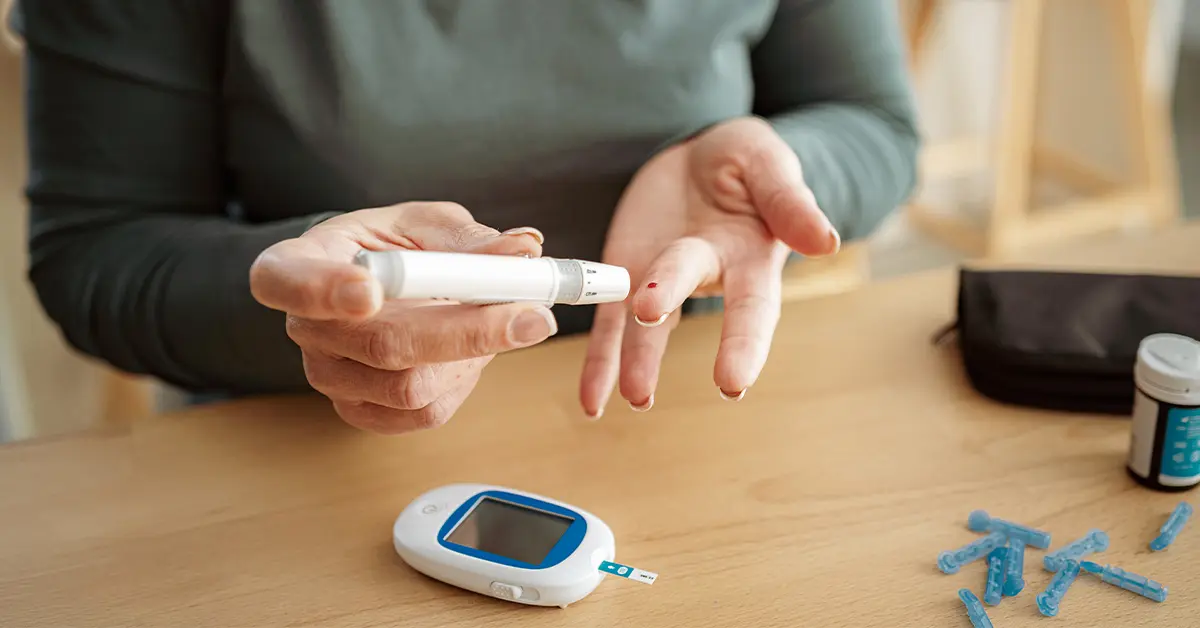
Type 2 diabetes is one of the most common chronic health conditions worldwide, affecting millions of adults and an increasing number of younger people. While receiving a diagnosis can feel overwhelming, the good news is that Type 2 diabetes is manageable. With the right combination of healthy eating, regular physical activity, medications when necessary, and consistent monitoring, many people successfully control their blood sugar levels and lead active, fulfilling lives.
Managing Type 2 diabetes is not about following strict diets or making drastic lifestyle changes overnight. Instead, it involves creating sustainable habits that support long-term health. Every positive choice—from eating balanced meals to taking a daily walk—can contribute to better blood sugar control and reduce the risk of serious complications.
This comprehensive guide explains everything you need to know about managing Type 2 diabetes through nutrition, medications, exercise, blood sugar monitoring, and practical lifestyle adjustments.
Understanding Type 2 Diabetes
Type 2 diabetes develops when the body’s cells become resistant to insulin or when the pancreas cannot produce enough insulin to maintain normal blood sugar levels. Insulin is a hormone that helps glucose move from the bloodstream into cells where it is used for energy.
When insulin doesn’t work effectively, glucose builds up in the blood, causing elevated blood sugar levels. Over time, uncontrolled diabetes can damage blood vessels, nerves, kidneys, eyes, and the heart.
Several factors increase the likelihood of developing Type 2 diabetes, including:
- Being overweight or obese
- Physical inactivity
- Family history of diabetes
- Aging
- High blood pressure
- High cholesterol
- Poor dietary habits
- Previous gestational diabetes
Although some risk factors cannot be changed, many lifestyle-related factors can be improved.
Common Symptoms of Type 2 Diabetes
Many people develop Type 2 diabetes gradually and may not notice symptoms at first.
Common warning signs include:
- Increased thirst
- Frequent urination
- Constant hunger
- Fatigue
- Blurred vision
- Slow wound healing
- Frequent infections
- Tingling or numbness in hands and feet
- Unexplained weight changes
Because symptoms often develop slowly, regular health screenings are important, especially for people with risk factors.
Why Blood Sugar Control Matters
Consistently high blood sugar can quietly damage the body over many years. Proper diabetes management significantly lowers the risk of complications such as:
- Heart disease
- Stroke
- Kidney disease
- Vision loss
- Nerve damage
- Foot ulcers
- Poor circulation
Even modest improvements in blood sugar control can reduce these risks and improve overall well-being.
Building a Diabetes-Friendly Diet
Nutrition is one of the most effective tools for managing Type 2 diabetes. Rather than following restrictive diets, focus on balanced meals that help stabilize blood sugar.
Choose High-Fiber Foods
Fiber slows digestion and reduces rapid spikes in blood glucose.
Excellent sources include:
- Vegetables
- Whole grains
- Lentils
- Beans
- Oats
- Fruits
- Chia seeds
- Flaxseeds
Aim to include fiber-rich foods with every meal.
Prioritize Lean Protein
Protein helps maintain muscle, supports fullness, and slows carbohydrate absorption.
Healthy protein choices include:
- Fish
- Skinless chicken
- Turkey
- Eggs
- Tofu
- Greek yogurt
- Cottage cheese
- Beans
- Lentils
Protein should be a regular part of breakfast, lunch, and dinner.
Select Healthy Carbohydrates
Carbohydrates affect blood sugar more than other nutrients, but they are still an essential energy source.
Choose complex carbohydrates such as:
- Brown rice
- Quinoa
- Whole wheat bread
- Sweet potatoes
- Oatmeal
- Barley
Limit refined carbohydrates including:
- White bread
- Sugary drinks
- Candy
- Cakes
- Pastries
- Sweet cereals
Portion control is just as important as carbohydrate quality.
Include Healthy Fats
Healthy fats support heart health, which is especially important for people with diabetes.
Good options include:
- Olive oil
- Avocados
- Nuts
- Seeds
- Fatty fish like salmon
- Natural peanut butter
Avoid excessive intake of trans fats and heavily processed fried foods.
Meal Planning Tips
Simple meal planning makes healthy eating easier.
A popular approach is the diabetes plate method:
- Fill half the plate with non-starchy vegetables.
- Fill one-quarter with lean protein.
- Fill one-quarter with whole grains or healthy carbohydrates.
This method naturally balances nutrients while helping manage portion sizes.
Eating meals at regular times also supports more stable blood sugar levels throughout the day.
Foods to Limit
No food is completely off-limits, but some should be eaten less often.
Try to reduce:
- Sugary beverages
- Energy drinks
- Sweet desserts
- Fast food
- Processed meats
- Excess sodium
- Deep-fried foods
- Highly processed snacks
Replacing these foods with healthier alternatives often leads to noticeable improvements in blood sugar control.
Staying Hydrated
Water is the best beverage for people with diabetes.
Proper hydration helps the kidneys remove excess glucose through urine and supports overall body function.
Limit:
- Regular soda
- Sweetened tea
- Fruit punches
- Sugary coffee drinks
Unsweetened tea, sparkling water, and black coffee in moderation are generally better choices.
Understanding Diabetes Medications
Lifestyle changes are essential, but many people also require medication to maintain healthy blood sugar levels.
Different medications work in different ways.
Some improve insulin sensitivity, while others stimulate insulin production or reduce glucose production in the liver.
Never stop taking prescribed medication without consulting your healthcare provider.
Medication schedules work best when taken consistently at the same time every day.
Insulin Therapy
Although Type 2 diabetes often begins without insulin treatment, some individuals eventually need insulin injections.
Reasons may include:
- Progression of diabetes
- Pregnancy
- Surgery
- Severe illness
- Difficulty controlling blood sugar with oral medications alone
Modern insulin delivery devices make treatment easier and more comfortable than many people expect.
Importance of Regular Exercise
Physical activity improves insulin sensitivity, allowing cells to use glucose more effectively.
Exercise offers numerous benefits:
- Lowers blood sugar
- Supports weight loss
- Improves circulation
- Strengthens the heart
- Increases energy
- Reduces stress
- Improves sleep
Consistency matters more than intensity.
Recommended Exercise Routine
Most adults with Type 2 diabetes benefit from:
- At least 150 minutes of moderate aerobic exercise weekly
- Strength training at least twice per week
- Flexibility exercises
- Balance exercises for older adults
Suitable activities include:
- Walking
- Swimming
- Cycling
- Dancing
- Water aerobics
- Resistance band workouts
- Weight training
- Yoga
Even several short walks throughout the day can improve blood sugar control.
Monitoring Blood Sugar
Checking blood glucose helps you understand how food, exercise, medications, illness, and stress affect your body.
Monitoring allows you to:
- Detect high blood sugar
- Prevent low blood sugar
- Evaluate treatment effectiveness
- Make informed lifestyle adjustments
Some people monitor several times daily, while others test less frequently depending on their treatment plan.
Understanding A1C
The A1C test measures average blood sugar over approximately three months.
Unlike daily glucose readings, the A1C provides a long-term picture of diabetes management.
Most healthcare providers recommend checking A1C every three to six months, depending on individual circumstances.
Your provider will recommend a target range that matches your age, health status, and treatment goals.
Maintaining a Healthy Weight
Weight management plays a major role in Type 2 diabetes.
Even losing 5% to 10% of body weight can improve insulin sensitivity and lower blood sugar.
Healthy weight loss comes from:
- Balanced nutrition
- Regular exercise
- Better sleep
- Stress management
- Sustainable habits
Crash diets rarely produce lasting results.
Managing Stress
Stress hormones can increase blood sugar levels.
Learning healthy coping strategies can improve both emotional well-being and diabetes management.
Helpful techniques include:
- Deep breathing
- Meditation
- Walking outdoors
- Reading
- Gardening
- Spending time with loved ones
- Listening to music
- Practicing mindfulness
Small daily stress-relief habits often make a meaningful difference.
The Role of Sleep
Sleep and blood sugar are closely connected.
Poor sleep can increase insulin resistance, raise stress hormones, and affect appetite-regulating hormones.
Adults should generally aim for seven to nine hours of quality sleep each night.
Good sleep habits include:
- Going to bed at the same time daily
- Limiting caffeine late in the day
- Avoiding large meals before bedtime
- Keeping the bedroom cool and quiet
- Reducing screen time before sleep
Foot Care
Diabetes can reduce circulation and nerve sensation in the feet.
Daily foot care helps prevent infections and complications.
Check your feet every day for:
- Cuts
- Blisters
- Redness
- Swelling
- Cracks
- Sores
Wear properly fitting shoes and avoid walking barefoot.
Report any foot wounds that do not heal promptly.
Eye Health
High blood sugar can damage the small blood vessels in the eyes.
Regular comprehensive eye examinations can detect changes before vision is affected.
Protecting your vision depends on maintaining healthy blood sugar, blood pressure, and cholesterol levels.
Heart Health
People with Type 2 diabetes have a higher risk of cardiovascular disease.
Protect your heart by:
- Controlling blood sugar
- Managing blood pressure
- Lowering cholesterol
- Staying physically active
- Avoiding smoking
- Eating heart-healthy foods
- Maintaining a healthy weight
Routine medical checkups help monitor cardiovascular health.
Avoid Smoking and Limit Alcohol
Smoking damages blood vessels and increases the risk of diabetes complications.
Quitting smoking provides immediate and long-term health benefits.
Alcohol can affect blood sugar unpredictably.
If you choose to drink alcohol, discuss safe limits with your healthcare provider and never drink on an empty stomach.
Preventing Diabetes Complications
Successful diabetes management focuses on preventing future health problems.
Important preventive measures include:
- Attending regular medical appointments
- Taking medications correctly
- Receiving recommended vaccinations
- Monitoring blood pressure
- Managing cholesterol
- Having kidney function checked
- Getting routine dental care
- Staying physically active
Early detection makes many complications easier to treat.
Building Long-Term Healthy Habits
Managing Type 2 diabetes is a lifelong commitment, but it becomes easier when healthy habits become part of your daily routine.
Focus on gradual improvements rather than perfection.
Helpful strategies include:
- Preparing meals ahead of time
- Keeping healthy snacks available
- Tracking exercise
- Monitoring blood sugar consistently
- Setting realistic goals
- Celebrating small achievements
- Seeking support from family and friends
Sustainable habits produce lasting results.
When to Contact Your Healthcare Provider
Seek medical advice if you experience:
- Persistently high blood sugar
- Frequent low blood sugar episodes
- Increased thirst or urination
- Sudden vision changes
- Foot wounds that do not heal
- Chest pain
- Severe fatigue
- Signs of infection
Prompt treatment can prevent serious complications.
Final Thoughts
Managing Type 2 diabetes requires daily attention, but it does not have to control your life. A balanced diet, regular exercise, proper medication use, consistent blood sugar monitoring, and healthy lifestyle habits work together to improve blood glucose control and protect long-term health.
Small, consistent changes often have the greatest impact. Choosing nutritious foods, staying active, getting enough sleep, managing stress, and following your healthcare provider’s recommendations can significantly reduce the risk of complications while improving energy, confidence, and overall quality of life.
Type 2 diabetes is a condition that requires ongoing care, but with knowledge, commitment, and a personalized management plan, it is entirely possible to live a healthy, active, and rewarding life.