

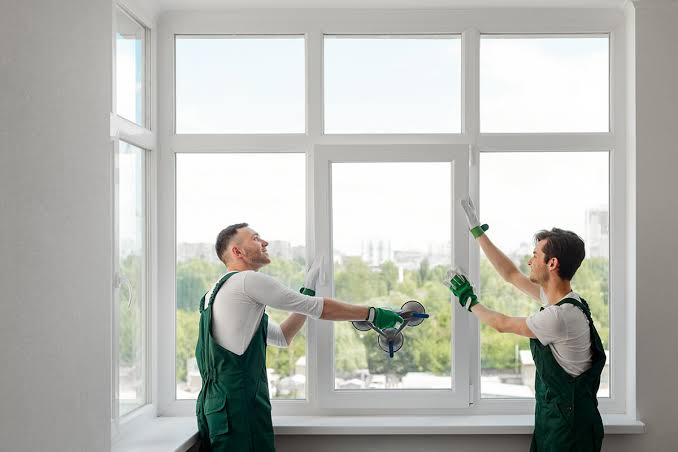
Windows play a much bigger role in a home than simply allowing natural light and fresh air inside. They affect energy efficiency, indoor comfort, security, noise levels, and even the overall appearance of a property. Over time, however, windows can become damaged, outdated, or less effective due to weather exposure, aging materials, and regular wear.
When homeowners notice problems like drafts, condensation, difficult operation, or rising energy bills, one common question appears: Should you repair your existing windows or replace them completely?
The right choice depends on several factors, including the condition of the window frame, the type of damage, repair costs, energy performance, and the long-term goals for your home. Understanding these factors can help you avoid unnecessary expenses while making a smart improvement decision.
Start by Identifying the Actual Problem With Your Windows
Before deciding between repair and replacement, it is important to understand what is causing the issue. Not every window problem requires a full replacement.
Some common window problems include:
- Broken hardware such as handles, locks, or hinges
- Damaged window seals
- Small cracks in glass
- Peeling paint or minor frame damage
- Difficulty opening or closing windows
- Drafts around the window edges
- Water leaks during rain
- Foggy glass caused by failed seals
A window with a minor mechanical issue may only need a simple repair. However, problems involving the frame, insulation performance, or repeated failures may indicate that replacement is the better option.
When Repairing Old Windows Makes Sense
Repairing windows can be a practical solution when the overall structure is still strong. Many older windows were built with durable materials, and replacing them may not always be necessary.
Minor Damage Can Often Be Fixed
If the window frame is in good condition but certain components have failed, repairs are usually more affordable.
Examples include:
- Replacing broken locks
- Installing new weatherstripping
- Fixing damaged window screens
- Replacing worn-out seals
- Repairing window tracks
- Replacing a single damaged glass pane
These improvements can restore performance without the cost of a complete installation.
Historic or Custom Windows May Be Worth Preserving
Homes with unique architectural designs or historic windows often benefit from careful restoration. Original windows may contribute to the character and value of a property.
In some cases, repairing older wood windows with quality materials can maintain their appearance while improving functionality.
Repair Is Better When Replacement Costs Are Too High
A full window replacement project can become expensive, especially for homes with many windows. If only a few windows have problems, targeted repairs may provide better value.
Homeowners should compare the repair cost with the expected lifespan of the existing windows before making a decision.
Signs Your Windows May Need Replacement
While repairs can solve many issues, some problems indicate that the windows have reached the end of their useful life.
Increasing Energy Bills
One of the biggest signs of aging windows is poor energy efficiency. Older windows may allow heated or cooled air to escape, forcing HVAC systems to work harder.
If your home feels colder near windows during winter or warmer during summer, outdated windows may be contributing to energy loss.
Modern replacement windows often include improved insulation features such as:
- Double or triple-pane glass
- Low-emissivity coatings
- Better sealing technology
- Energy-efficient frame materials
These features can improve indoor comfort and reduce heating and cooling costs.
Frequent Repairs Are Becoming Expensive
A single repair may be reasonable, but repeated fixes can become frustrating and costly.
If you are constantly repairing:
- Broken hardware
- Leaking seals
- Warped frames
- Cracked glass
- Operating problems
the money spent on repairs may be better invested in new windows.
Damaged or Rotting Frames
The condition of the window frame is one of the most important factors when making a decision.
Wood frames exposed to moisture can develop:
- Rot
- Soft spots
- Mold growth
- Structural weakness
If the frame has significant damage, repairs may only provide a temporary solution. Replacement is often the more reliable option.
Persistent Drafts and Air Leakage
Drafty windows reduce comfort and increase energy waste. While weatherstripping and sealing can help with minor air leaks, severe leakage usually points to deeper problems.
A poorly fitting frame, damaged seals, or outdated window design may require replacement to solve the issue properly.
Consider the Age and Type of Your Windows
The age of your windows can provide useful guidance, but it should not be the only factor.
Some high-quality older windows may perform well with proper maintenance, while newer low-quality windows may fail sooner.
Consider:
- The original installation quality
- Material condition
- Maintenance history
- Climate exposure
- Previous repairs
Different window materials also age differently.
Wood Windows
Wood windows can last for decades when maintained properly, but they require regular painting, sealing, and moisture protection.
Vinyl Windows
Vinyl windows require less maintenance, but lower-quality vinyl frames may become damaged from extreme temperatures over time.
Aluminum Windows
Aluminum frames are durable but may provide less insulation compared to modern energy-efficient options.
Understanding your current window material can help determine whether repair or replacement provides better long-term value.
Compare Long-Term Costs, Not Just Initial Prices
Many homeowners focus only on the immediate cost of a repair or replacement. A better approach is to consider long-term expenses.
Repair may cost less today, but if the same issues return every year, replacement may save money over time.
Replacement windows may require a larger upfront investment, but benefits can include:
- Lower energy costs
- Improved comfort
- Reduced maintenance
- Better home appearance
- Increased property appeal
A professional evaluation can help estimate whether repairs will provide enough value compared to replacement.
Think About Your Home Improvement Goals
Your personal goals also matter when deciding what to do.
If you plan to sell your home soon, replacing damaged windows may improve curb appeal and attract buyers. However, if you only need a temporary solution, repairs might be sufficient.
For homeowners planning to stay long-term, investing in high-quality replacement windows can improve daily comfort and reduce future maintenance.
Get a Professional Window Assessment
When the decision is unclear, a professional inspection can provide valuable information.
A window specialist can evaluate:
- Frame condition
- Glass performance
- Air leakage
- Water damage
- Installation problems
- Energy efficiency
This assessment helps homeowners avoid replacing windows that could have been repaired or continuing to repair windows that are no longer worth saving.
Final Thoughts
Deciding between repairing or replacing aging windows depends on the condition of the windows, the type of damage, repair costs, and your long-term home improvement plans.
Minor issues like broken hardware, damaged seals, or small glass problems can often be repaired effectively. However, problems such as rotting frames, constant drafts, rising energy costs, and repeated failures usually indicate that replacement is the smarter choice.
The best decision is not always the cheapest option today. A well-planned choice should improve your home’s comfort, efficiency, and value for years to come. By carefully evaluating your windows and understanding their current condition, you can choose the solution that makes the most sense for your home.