

Energy-efficient home improvements have become increasingly important for homeowners who want to reduce utility expenses, improve indoor comfort, and create a more sustainable living environment. Among the most effective upgrades, improving home insulation provides one of the biggest impacts because it directly affects how well a house maintains its temperature throughout the year.
A poorly insulated home allows heat to escape during colder months and enter during warmer seasons. This forces heating and cooling systems to work harder, increasing energy consumption and monthly bills. By upgrading insulation in key areas such as walls, attics, floors, and crawl spaces, homeowners can create a more stable indoor environment while reducing unnecessary energy waste.
Modern insulation solutions are designed not only to improve thermal performance but also to increase comfort, reduce noise, control moisture, and improve the overall efficiency of residential spaces.
Why Home Insulation Is Important for Energy Efficiency
Insulation acts as a protective barrier between the indoor environment and outdoor temperatures. It slows down heat transfer, helping homes stay warmer in winter and cooler in summer.
Without proper insulation, conditioned air can escape through walls, ceilings, and floors. As a result, heating and cooling systems must operate for longer periods to maintain comfortable temperatures.
Improving insulation provides several important benefits:
- Lower monthly energy expenses
- More consistent indoor temperatures
- Reduced pressure on HVAC systems
- Improved indoor comfort
- Better moisture control
- Increased home value
A well-insulated home requires less energy to maintain a comfortable environment, making insulation one of the most practical long-term investments for homeowners.
Signs Your Home May Need Better Insulation
Many homeowners experience energy problems without realizing that poor insulation is the main cause. Identifying the warning signs can help prevent unnecessary energy loss.
Common signs of insufficient insulation include:
- Rooms that feel colder in winter or hotter in summer
- Increasing energy bills despite normal usage
- Uneven temperatures between rooms
- Heating or cooling systems running constantly
- Drafts near walls, ceilings, or floors
- Ice buildup on roofs during cold weather
- Excessive outdoor noise entering the home
If these issues are present, a professional insulation evaluation can help identify areas that need improvement.
Improve Attic Insulation for Better Temperature Control
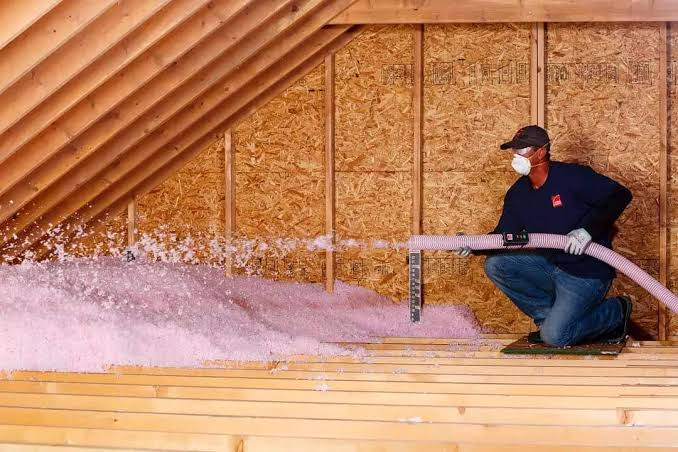
The attic is one of the most important areas for insulation because heat naturally rises. Without adequate attic insulation, warm air escapes during winter, while summer heat can transfer into the living space.
Improving attic insulation helps maintain more stable indoor temperatures and reduces the workload on HVAC systems.
Common attic insulation improvements include:
- Adding fiberglass batt insulation
- Installing blown-in cellulose insulation
- Applying spray foam insulation
- Sealing air leaks before insulation installation
Before adding new insulation, homeowners should also check for moisture problems, roof leaks, and ventilation issues. Proper attic preparation ensures better long-term performance.
Upgrade Wall Insulation to Reduce Heat Transfer
Walls make up a large portion of a home’s exterior surface, meaning they play a major role in energy efficiency. Poorly insulated walls can allow significant heat transfer between indoor and outdoor environments.
Wall insulation improvements are especially valuable in older homes that were built before modern energy standards.
Popular wall insulation options include:
Fiberglass Insulation
Fiberglass is widely used because it is affordable, reliable, and suitable for many residential applications.
Spray Foam Insulation
Spray foam expands into gaps and cracks, creating both insulation and air-sealing benefits.
Blown-In Insulation
Blown-in materials are useful for filling existing wall cavities without major renovation work.
Choosing the right wall insulation depends on the home’s construction, budget, and energy efficiency goals.
Seal Air Leaks Before Adding More Insulation
Insulation works best when combined with proper air sealing. Even high-quality insulation cannot perform effectively if unwanted air leaks allow conditioned air to escape.
Common areas where air leaks occur include:
- Around windows and doors
- Electrical outlets
- Plumbing openings
- Attic access points
- Wall joints
- Basement areas
Sealing these gaps before upgrading insulation improves overall energy performance and prevents wasted heating and cooling.
Improve Floor and Crawl Space Insulation
Floors and crawl spaces are often overlooked areas where energy loss can occur. Homes with poorly insulated floors may experience cold surfaces, uncomfortable rooms, and higher heating costs.
Improving floor insulation can help:
- Reduce heat loss
- Increase comfort in lower levels
- Prevent cold drafts
- Improve overall efficiency
Crawl space insulation is especially important because uncontrolled moisture and air movement in these areas can affect indoor comfort and air quality.
Choose the Right Insulation Material for Your Home
Different insulation materials offer different advantages. The best option depends on factors such as location, budget, climate, and installation requirements.
Common insulation materials include:
Fiberglass Insulation
Fiberglass is one of the most common insulation choices because it provides good thermal protection at an affordable cost.
It is available in:
- Batts
- Rolls
- Loose-fill forms
Spray Foam Insulation
Spray foam provides excellent insulation performance because it expands and seals small gaps.
It offers:
- Strong air sealing
- High energy efficiency
- Moisture resistance
- Long-term durability
Cellulose Insulation
Cellulose is made from recycled materials and provides effective coverage in irregular spaces.
Benefits include:
- Environmentally friendly performance
- Good thermal protection
- Effective air movement reduction
Selecting the correct material helps maximize energy savings and comfort.
Combine Insulation Improvements With Other Energy Upgrades
Insulation improvements work best when combined with other energy-efficient home upgrades. A complete approach creates better performance than improving only one area.
Additional improvements may include:
- Installing energy-efficient windows
- Upgrading HVAC equipment
- Using smart thermostats
- Improving duct insulation
- Weatherproofing doors
Together, these upgrades create a more efficient home that uses less energy while maintaining comfortable temperatures.
How Insulation Helps Reduce Monthly Utility Costs
Heating and cooling often account for a significant portion of household energy use. When insulation is inadequate, HVAC systems must work harder and operate longer.
Improved insulation reduces heat movement, allowing temperature-controlled air to remain inside the home.
Over time, homeowners may experience:
- Reduced heating expenses
- Lower cooling costs
- Less HVAC operation
- More predictable energy bills
Although insulation upgrades require an initial investment, the long-term savings can make them financially beneficial.
Improve Indoor Comfort With Better Insulation
Energy efficiency is not the only advantage of insulation improvements. A properly insulated home feels more comfortable because temperatures remain more consistent throughout the year.
Benefits include:
- Fewer hot and cold areas
- Reduced drafts
- More comfortable bedrooms and living spaces
- Better overall indoor conditions
A comfortable home environment improves daily living while reducing reliance on heating and cooling equipment.
Control Moisture and Improve Indoor Air Quality
Proper insulation also contributes to better moisture management. When combined with air sealing and ventilation, insulation helps reduce condensation problems that can lead to mold growth.
Moisture control improvements help protect:
- Walls
- Ceilings
- Flooring
- Indoor air quality
However, insulation should always be installed correctly because poor installation can trap moisture and create additional problems.
Consider Professional Insulation Assessment and Installation
While some small insulation improvements can be completed as DIY projects, professional installation often provides better results.
Experts can evaluate:
- Current insulation levels
- Heat loss areas
- Air leakage problems
- Moisture concerns
- Suitable insulation materials
Professional installation ensures proper coverage and helps homeowners achieve maximum energy savings.
Final Thoughts
Energy-efficient home insulation improvements provide long-term benefits by reducing utility expenses, improving comfort, and increasing overall home performance. From attic insulation and wall upgrades to air sealing and crawl space improvements, every improvement contributes to a more efficient living environment.
A properly insulated home requires less energy to maintain comfortable temperatures, reduces stress on heating and cooling systems, and provides a healthier indoor atmosphere.
Whether upgrading an older property or improving a newer home, investing in quality insulation is one of the smartest ways to create a more comfortable, affordable, and energy-efficient home.
Frequently Asked Questions (FAQs)
How does insulation help reduce energy bills?
Insulation reduces heat transfer between the inside and outside of a home, allowing heating and cooling systems to work less. This lowers energy consumption and can reduce monthly utility expenses.
Which area of a home should be insulated first?
The attic is often the best place to start because significant heat loss and heat gain occur through the roof area. However, walls, floors, and crawl spaces may also require improvements.
What type of insulation is most effective?
The most effective insulation depends on the home’s structure and needs. Spray foam provides excellent performance, while fiberglass and cellulose are popular cost-effective options.
How often should home insulation be replaced?
Quality insulation can last many years, but it should be inspected if homeowners notice rising energy bills, moisture issues, temperature problems, or damaged materials.
Can insulation improve indoor comfort?
Yes, improved insulation helps maintain consistent temperatures, reduce drafts, minimize hot and cold spots, and create a more comfortable living environment throughout the year.