

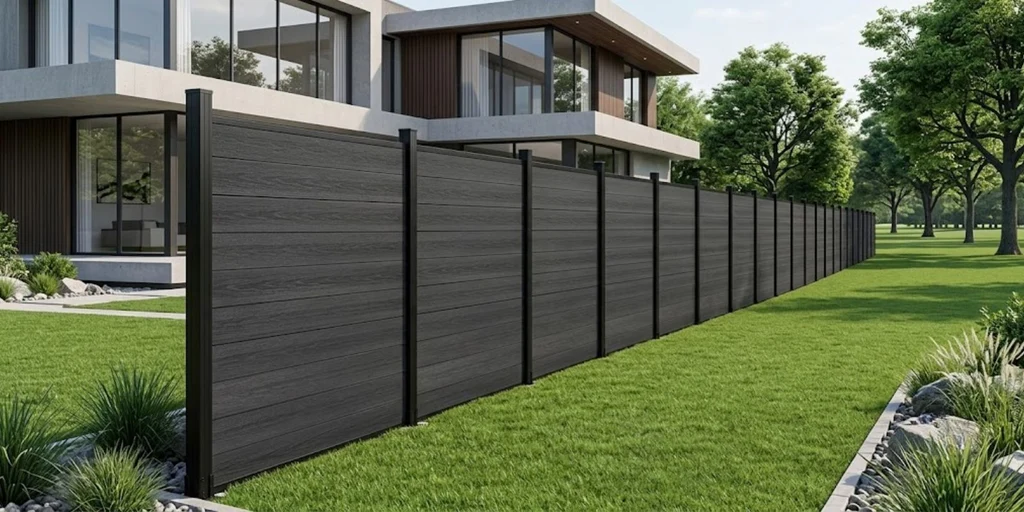
Choosing the right fence for your property is not only about appearance. A fence affects privacy, security, maintenance costs, property value, and the overall look of your outdoor space. Among the many fencing options available today, composite fencing and aluminum fencing have become popular choices for homeowners who want durability without constant upkeep.
Both materials offer advantages, but they perform differently depending on your goals, budget, climate, and the type of property you have. Composite fencing focuses on a natural appearance with privacy benefits, while aluminum fencing is known for strength, low maintenance, and a sleek modern style.
Understanding the differences between composite fencing and aluminum fencing can help you decide which option provides better long-term value for your home.
What Is Composite Fencing?
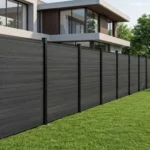
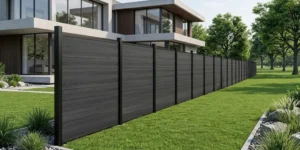
Composite fencing is made by combining recycled wood fibers and plastic materials. The manufacturing process creates a strong material that looks similar to natural wood but requires much less maintenance.
Many homeowners choose composite fences because they provide the warmth and texture of traditional wood without problems such as rotting, warping, cracking, or frequent painting.
Composite fencing is commonly used for:
- Backyard privacy fences
- Residential boundaries
- Garden areas
- Pool fencing
- Decorative outdoor spaces
Modern composite fences are available in various colors, textures, and designs, allowing homeowners to achieve a customized outdoor appearance.
What Is Aluminum Fencing?
Aluminum fencing is a lightweight metal fencing option made from corrosion-resistant aluminum. It is often chosen for its clean appearance, strength, and ability to withstand outdoor conditions.
Unlike steel fencing, aluminum does not rust easily, making it suitable for areas exposed to moisture, rain, and humidity.
Aluminum fencing is commonly installed around:
- Front yards
- Pools
- Commercial properties
- Sloped landscapes
- Security-focused areas
It often has an elegant appearance similar to traditional wrought iron but requires much less maintenance.
Durability Comparison: Composite vs Aluminum
Durability is one of the most important factors when choosing a fence because installation is a long-term investment.
Composite fencing performs well against many common outdoor problems. It does not attract termites, and it resists moisture damage better than traditional wood. However, extreme temperatures can affect some composite materials. Lower-quality products may expand, contract, or fade over time.
Aluminum fencing has excellent durability because it naturally resists corrosion and does not suffer from issues like rotting or insect damage. A properly installed aluminum fence can last for decades with minimal maintenance.
When comparing overall durability, aluminum often has an advantage because of its resistance to weather conditions and structural stability.
Maintenance Requirements
Maintenance costs can significantly impact the long-term value of any fencing material.
Composite fencing requires very little maintenance compared with wood. Homeowners usually only need occasional cleaning with soap and water to remove dirt, dust, or stains. It does not need regular staining, sealing, or painting.
Aluminum fencing is also extremely low maintenance. It does not require painting or rust treatments, and cleaning it occasionally is usually enough to keep it looking attractive.
Both options are excellent choices for homeowners who want to avoid yearly maintenance work. However, aluminum may require even less attention because it has fewer surface concerns.
Appearance and Design Options
The visual appeal of a fence plays a major role in outdoor design.
Composite fencing is often preferred by homeowners who want a natural wood appearance. It comes in different colors and finishes that can match modern, traditional, or rustic home designs.
It is especially popular for privacy fencing because composite panels can create solid barriers between properties.
Aluminum fencing provides a more open and elegant appearance. Its designs often include vertical bars, decorative patterns, and modern finishes. However, it usually does not provide complete privacy unless combined with additional landscaping or privacy solutions.
If privacy and a warm outdoor feel are priorities, composite fencing may be the better choice. If you prefer an open, stylish, and classic look, aluminum fencing may suit your needs.
Privacy Differences Between Composite and Aluminum Fencing
Privacy is one area where these two materials are very different.
Composite fencing is designed for privacy. Solid panels block outside views, reduce visual distractions, and create a more comfortable backyard environment.
This makes composite fencing ideal for homeowners who want a private space for:
- Outdoor dining
- Family gatherings
- Swimming pools
- Relaxation areas
Aluminum fencing usually has gaps between panels, allowing visibility through the fence. While this design works well for decorative purposes and security, it does not provide the same level of privacy.
Cost Comparison and Long-Term Value
The initial cost of fencing depends on material quality, installation complexity, property size, and design choices.
Composite fencing generally has a higher upfront cost compared with basic wood fencing. However, the reduced maintenance requirements can make it more affordable over many years.
Aluminum fencing can also have a higher initial price, especially for decorative designs. Its long lifespan and minimal maintenance requirements can help balance the investment over time.
When considering long-term value, homeowners should look beyond the purchase price and consider:
- Expected lifespan
- Repair costs
- Maintenance time
- Appearance retention
- Property improvement value
A cheaper fence that requires frequent repairs may cost more over time than a premium material with fewer problems.
Weather Performance
Climate plays an important role in fencing performance.
Composite fencing handles moisture better than wood and works well in areas where rain and humidity are common. However, extreme heat exposure may affect certain composite products, especially lower-quality materials.
Aluminum performs well in many climates because it does not rust and can handle rain, snow, and humidity. It is also suitable for coastal areas where salt exposure can damage some metals.
For properties located in harsh weather environments, choosing a high-quality product and proper installation matters as much as the material itself.
Which Fence Adds More Property Value?
A well-designed fence can improve curb appeal and make a property more attractive to potential buyers.
Composite fencing can increase appeal for buyers looking for privacy, low maintenance, and modern outdoor living spaces.
Aluminum fencing can add value through its elegant appearance, durability, and ability to enhance landscaping without making areas feel closed off.
The better choice depends on what future buyers in your area prefer. Homes with larger yards and privacy-focused designs may benefit more from composite fencing, while properties with landscaped front yards may look better with aluminum fencing.
Composite Fencing vs Aluminum Fencing: Which One Should You Choose?
There is no single winner for every homeowner. The right choice depends on your specific needs.
Choose composite fencing if you want:
- Maximum privacy
- A wood-like appearance
- A warmer outdoor design
- Reduced maintenance compared with wood fencing
Choose aluminum fencing if you want:
- Long-lasting durability
- Minimal maintenance
- A modern or decorative appearance
- Better performance in wet environments
Both materials provide excellent long-term value when properly installed. Composite fencing stands out for privacy and design flexibility, while aluminum fencing leads in durability and structural performance.
Before making a final decision, consider your property’s style, local climate, maintenance preferences, and budget. A quality fence is not just a boundary around your home; it is an investment that can improve comfort, security, and outdoor enjoyment for many years.